About us
Team members
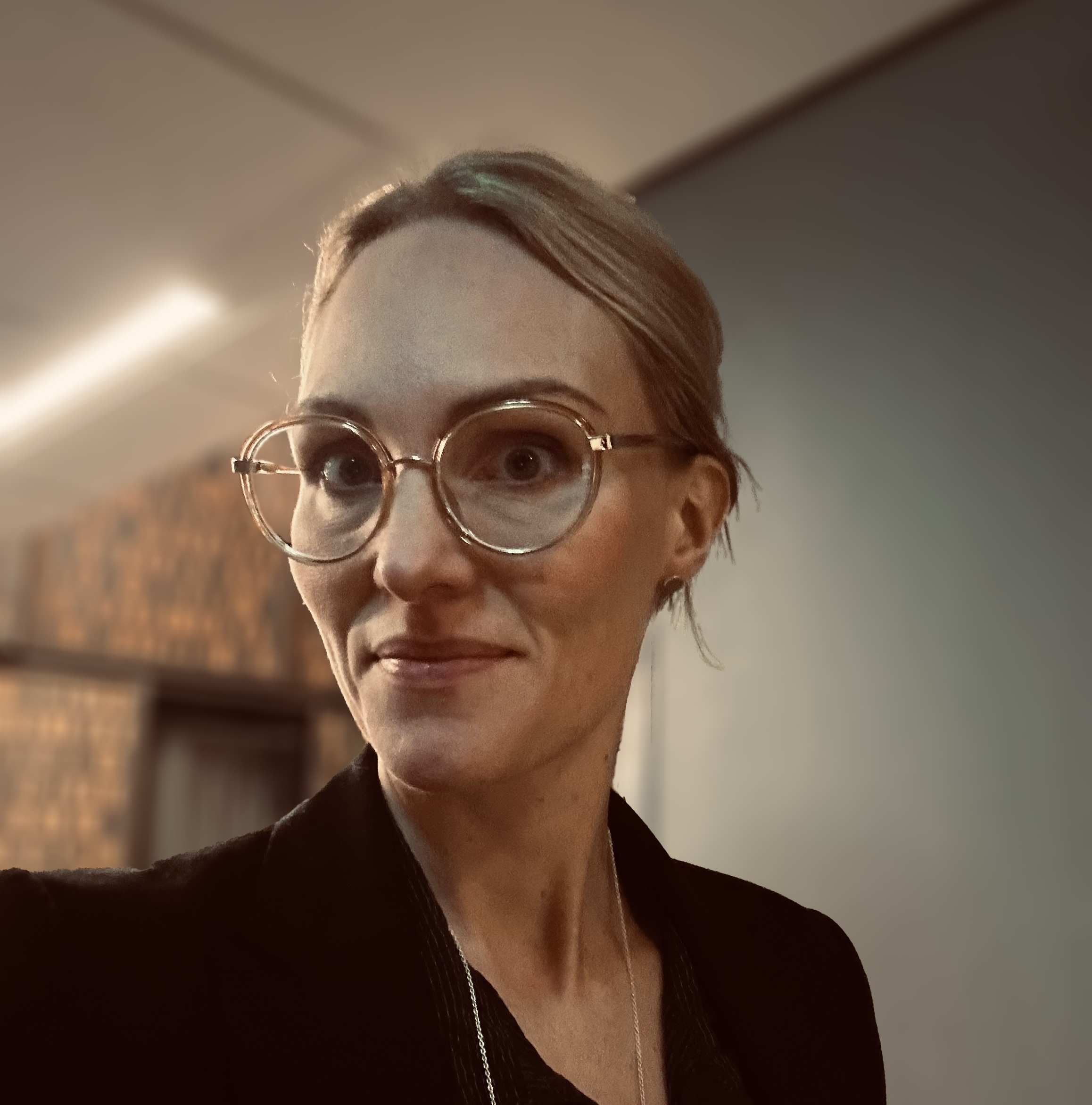 Team leader: Elaine Astrand
Senior:
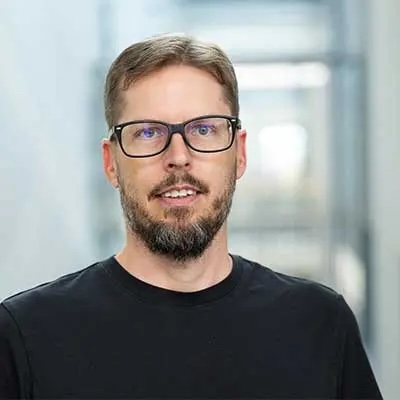
Elmeri SYrjänen, PhD, Lecturer
Elmeri Syrjänen is a Lecturer in the Applied AI programme at Mälardalen University, where he also serves as Programme Coordinator. His main research interests are real-time processing and classification of electroencephalography (EEG) signals, neurofeedback systems, and the use of artificial intelligence (AI) and machine learning (ML) to understand and interact with complex systems.
He supervises Bachelor's and Master's thesis projects in these areas and often collaborates with industrial partners on AI and generative AI applications.
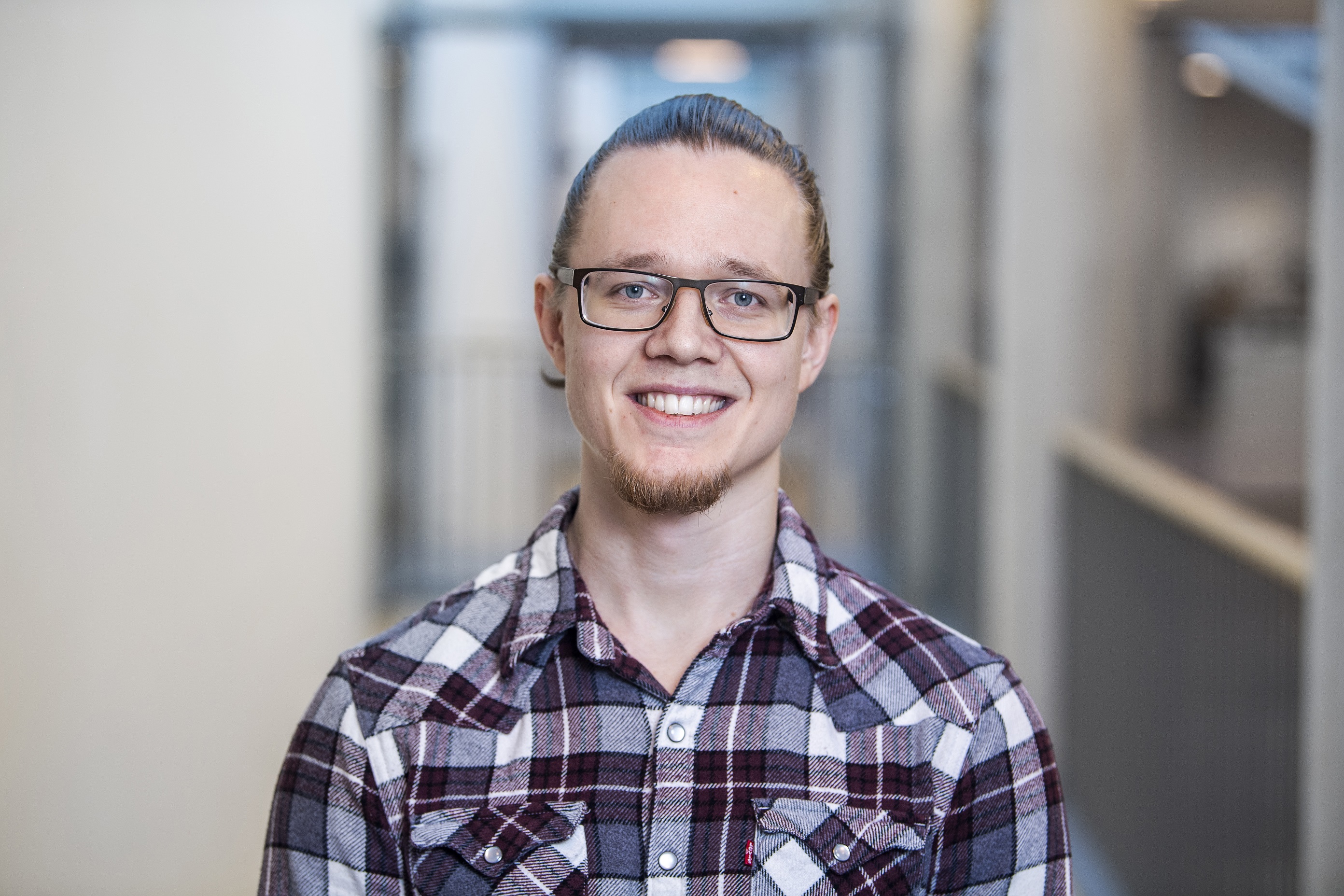
Jonatan Tidare, PhD, Lecturer
Jonatan Tidare is a university lecturer and researcher specializing in brain–computer interfaces (BCI). He earned his PhD in electronics with a focus on adaptive methods for post-stroke neurorehabilitation, where he developed and evaluated real-time adaptive BCI systems. His research combines advanced EEG signal analysis with experimental design to understand and enhance the brain’s learning processes. In parallel, he has extensive teaching experience in technical subjects, including embedded systems programming, electronics, signal processing, and research methodology.
Postdocs:
 Gabriele Varisco, PhD
PhD students:
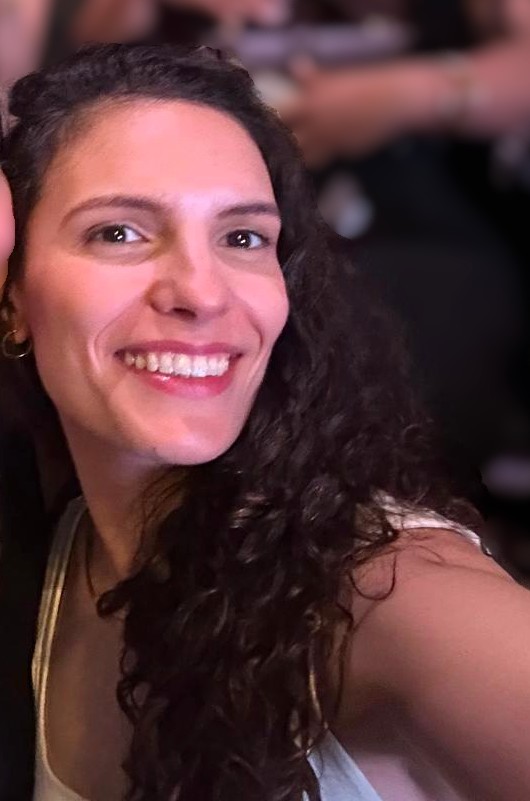
Joana Silva
Joana is a PhD student in the Neuroengineering group at MDU. She received her Master's degree in Bioengineering-Biomedical Engineering from the Faculty of Engineering of the University of Porto in 2018. She previously worked as an Engineering consultant and then as a Research Engineer in the same Neuroengineering group. Her research in this group focuses on extracting cognitive information from brain activity and pupillometry using EEG and real-time Neurofeedback. She investigates the neural mechanisms behind BCI inefficiency, seeking to understand why Neurofeedback-based regulation succeeds in some individuals but not others, with the longer-term goal of informing more effective cognitive rehabilitation strategies.
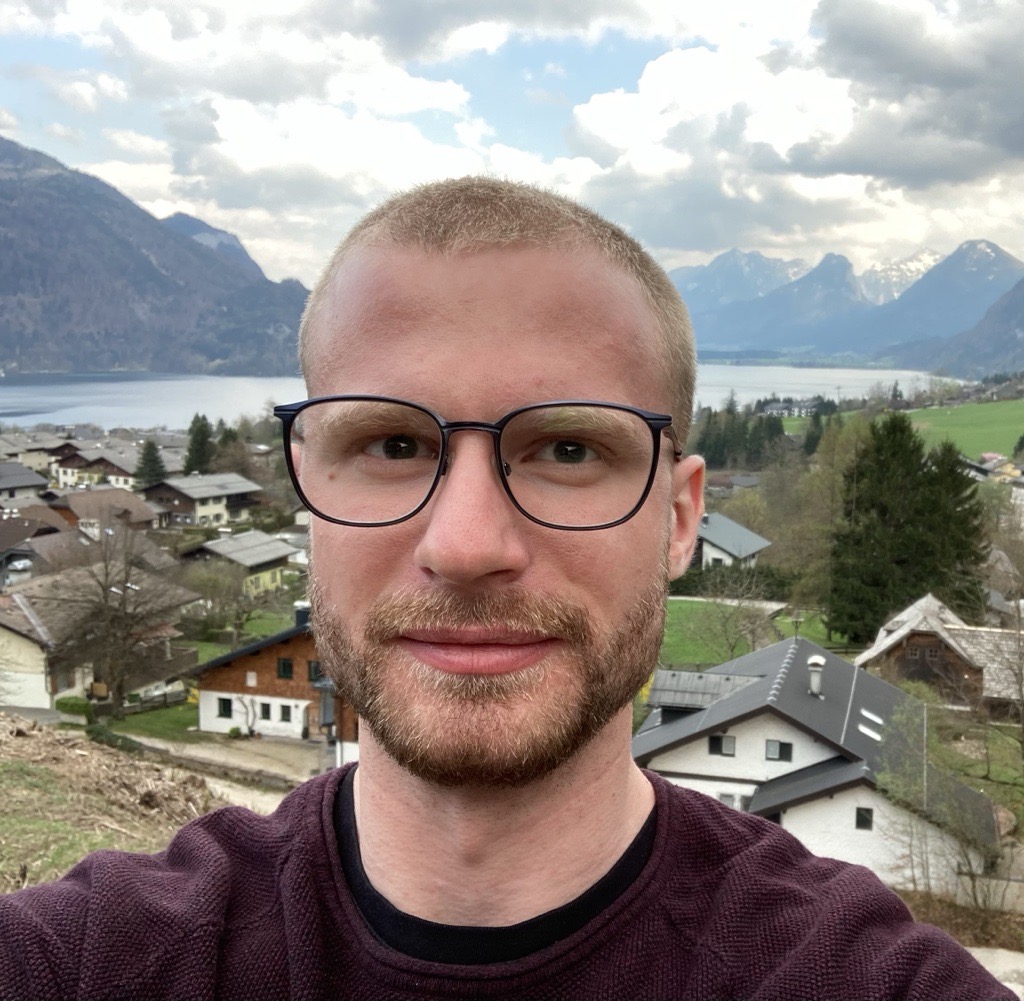
Martin Johansson Alvarez
Martin received his Master of Science in Robotics Engineering from Mälardalen University in 2018. After a period in industry, he returned to academia in 2021 as a research engineer within the Neurotechnology group. In 2023, he received a personal scholarship to pursue a PhD in electronics, and in 2025 he defended his Licentiate thesis.
His research focuses on stroke rehabilitation using a motor imagery–based brain–computer interface (MI-BCI). This work involves advanced EEG signal analysis and machine learning. The aim of his thesis is to analyze key components of the BCI to extract meaningful features for learning in the form of event-related desynchronization and beta bursts.